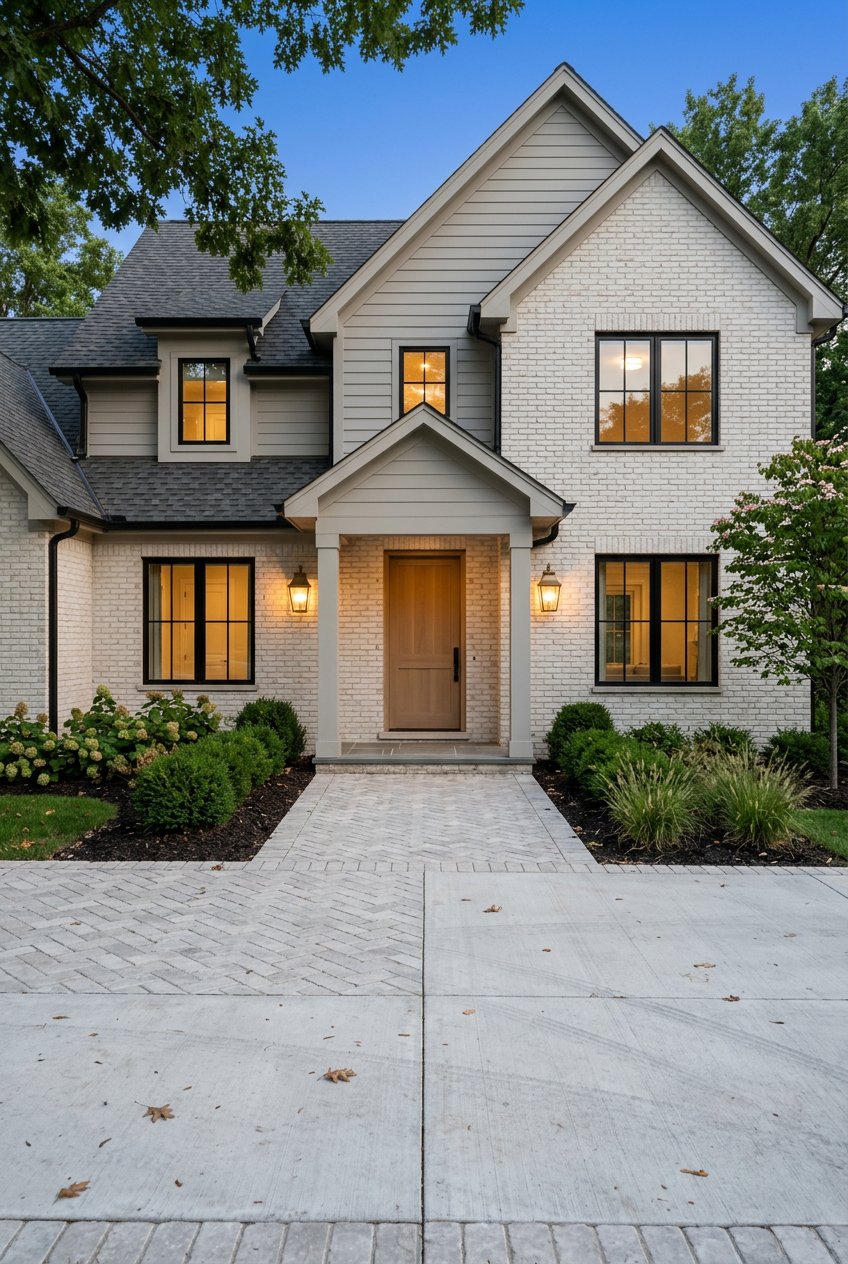
Brentwood New Construction vs Existing Homes
Thinking about a brand-new Brentwood build or a well-kept home in an established neighborhood? You are not alone. Brentwood’s luxury-leaning market gives you strong options on both sides, but the right choice depends on your timeline, budget, and lifestyle. In this guide, you will compare costs, timelines, customization, lots, energy savings, and resale factors so you can move forward with confidence. Let’s dive in.
Brentwood is one of Greater Nashville’s most affluent suburbs. The U.S. Census shows a median household income around $182,088, which supports a strong base of move-up and luxury buyers. You also benefit from quick access to Nashville and nearby job centers in Cool Springs and Franklin.
Local pricing skews higher than many suburbs. Consumer portals place typical Brentwood medians in the low to mid seven figures as of late 2025. Demand stays resilient due to location, limited high-end inventory, and the area’s overall quality of life. If you are shopping here, plan for a competitive, quality-focused market.
Source: U.S. Census QuickFacts
Most new construction in Brentwood targets the luxury segment. You will see estate-style communities and custom or semi-custom builders offering larger floor plans, often 4,000 to 8,000 square feet or more. Lot sizes in luxury enclaves commonly range from about a half-acre to over an acre, with privacy a frequent selling point.
Finishes tend to be upscale. Think chef kitchens, outdoor living spaces, multi-car garages, and smart-home readiness. Most builders also offer a warranty that follows the familiar 1-2-10 pattern. That usually means one year for workmanship, about two years for major systems, and up to ten years for structural coverage. Always review the exact warranty document before you sign.
Many gated or amenity-rich neighborhoods include an HOA with quarterly or annual dues. Fees and rules vary by community, so confirm the budget, reserve study, and covenants before you commit.
Expect new construction to sit above the city’s overall median. It is common to see multi-million-dollar list prices for luxury product, with some homes achieving very high price per square foot. The gap versus resale reflects larger footprints, estate lots, and high-end finishes.
Your timeline depends on the path you choose. A move-in-ready spec home can be delivered in roughly 6 to 9 months. A semi-custom or full custom build can run 9 to 18 months depending on site work, weather, and design changes. Ask for a written schedule, milestones, and a clear change-order policy so you understand how updates affect timing and cost.
Brentwood’s Planning and Codes office oversees residential permits and inspections, and the city has adopted the 2018 International Residential Code and 2018 International Energy Conservation Code. Plan review times vary with project complexity, so it is smart to contact the city early for current guidance.
Custom builds often use construction loans or construction-to-permanent loans. These products have draw schedules, different underwriting, and short-term rates that can be higher than a standard mortgage. Some buyers prefer a one-time-close option to avoid requalifying later. Talk with a lender experienced in construction so you understand disclosures, inspections, and documentation from day one.
Established Brentwood neighborhoods often feature mature trees, landscaped yards, and larger lots. If you value shade, privacy, and a settled street feel, a resale home can deliver that right away. Many areas also support tasteful renovations or even teardown-and-rebuild projects where lots and zoning allow.
Older homes can require updates. Common items include kitchen and bath refreshes, HVAC upgrades, roof replacement, windows, or electrical work. “Cosmetic” updates can run into the tens of thousands, while larger remodels can reach much higher, depending on scope. National cost and ROI guides indicate that exterior improvements often recoup more than very large discretionary interior projects.
It helps to budget for major systems on a schedule. As a planning rule of thumb, asphalt roofs often last 20 to 30 years, HVAC systems about 15 to 25 years, water heaters 8 to 15 years, and many windows 15 to 30 years. Hire a qualified home inspector and obtain contractor bids to turn those ranges into a real plan for your specific property.
New builds that meet modern energy codes often deliver lower utility bills than older homes. Improved insulation, efficient windows, tighter building envelopes, and ENERGY STAR appliances all contribute. When you compare monthly budgets, consider HOA dues for new communities and possible near-term maintenance for older homes along with taxes and your mortgage.
Lot preference is a major driver in Brentwood. Estate communities that offer half-acre to one-acre lots or larger typically carry a premium. If immediate privacy and outdoor living matter most, you may find better value in established neighborhoods with mature trees and landscaping. Some new communities offer planned amenities like a pool or clubhouse, which can be appealing if you want a lower-maintenance lifestyle and are comfortable with HOA dues.
Many buyers consider public school options part of their decision-making. Williamson County schools are frequently recognized in various rankings, which can support long-term resale for both new and existing homes. Always verify attendance zones and evaluate school fit using official resources and your own priorities.
Use this quick list to focus your search:
Timeline and urgency
Customization vs. budget control
Lot and outdoor lifestyle
Monthly costs and risk
Financing and contingencies
When you build, the model home agent represents the builder. You deserve a dedicated advocate to negotiate upgrades, clarify allowances, and protect your interests during design, inspections, and walk-throughs. When you buy resale, a seasoned agent can help you spot long-term value, estimate improvement ROI, and source trusted local vendors.
With 24 years of Nashville and Williamson County experience, I help you compare apples to apples: total monthly cost, timeline, risk, and likely resale. I also leverage Compass tools to surface opportunities that fit your goals, including discreet pre-market options when available. If you are weighing new construction against an existing home, let’s talk through what matters most so you can move forward with confidence.
Ready to explore Brentwood? Reach out to Jeanie Barrier to start a tailored plan for your next home.
Thinking about buying or selling in Nashville? With Jeanie’s local expertise and 25+ years of real estate sales experience, she’ll guide you every step of the way. Call today to get started!