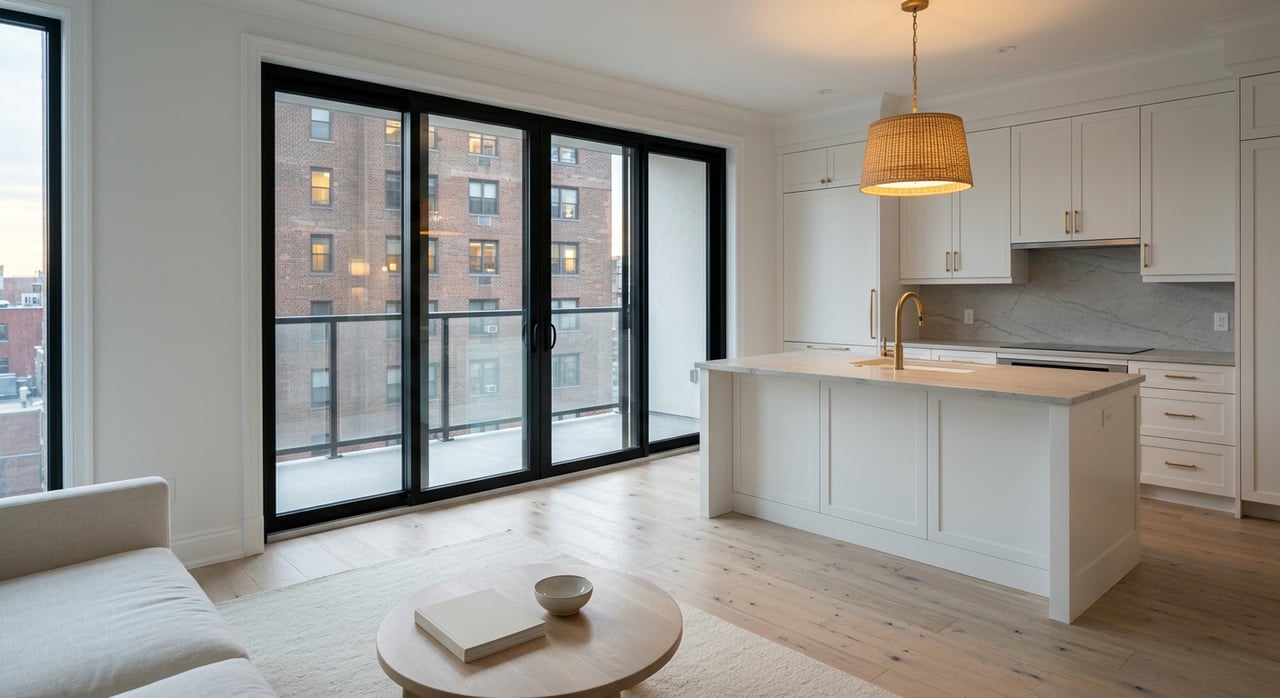
Choosing Between a Downtown Nashville Condo and House
Should you wake up to skyline views in a high-rise or grill in a private backyard a few minutes from Broadway? If you are comparing a condo in Downtown Nashville to a single-family home in nearby neighborhoods, you are not alone. The right choice depends on how you want to live day to day, how you plan to finance, and what your long-term goals look like. In this guide, you will learn how costs, lifestyle, commute, and resale differ so you can choose with confidence. Let’s dive in.
Downtown living is about convenience and walkability. Many residents choose the core for easy access to dining, entertainment, and some office destinations. The Downtown Partnership reports that walkability is a top reason people live downtown, and its latest report details a strong residential pipeline that keeps the urban core active and evolving. You can explore those trends in the Downtown Partnership’s Annual Residential Report.
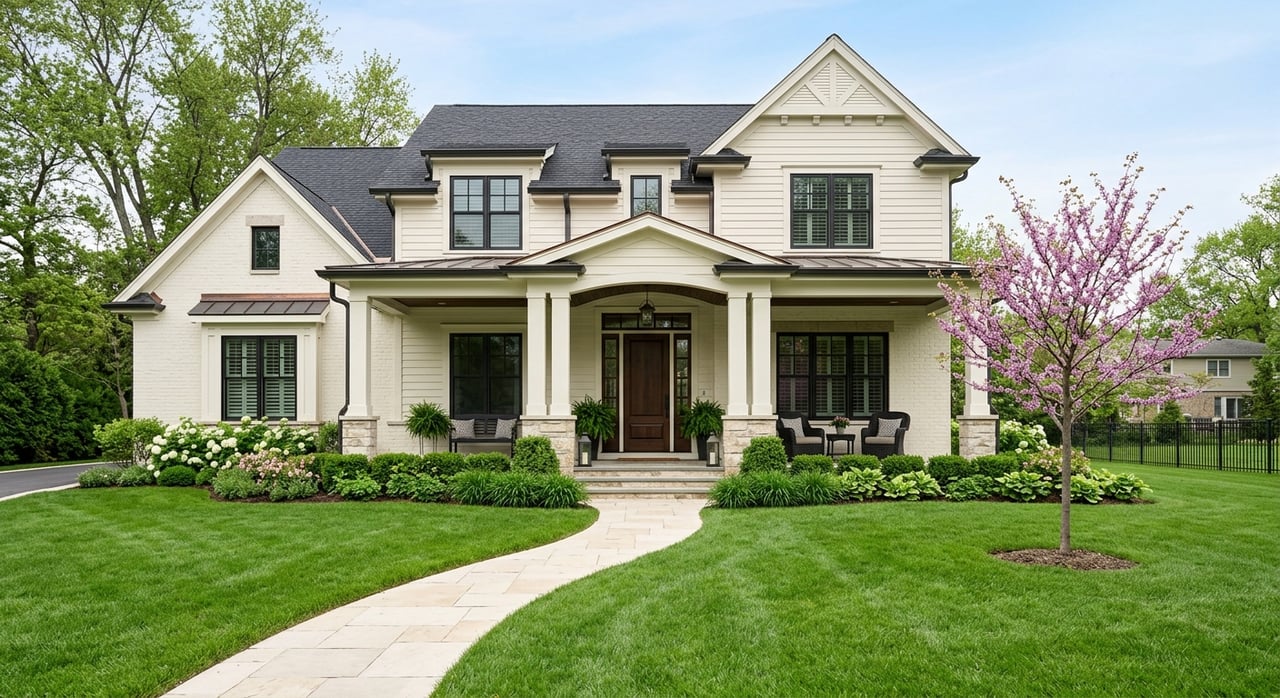
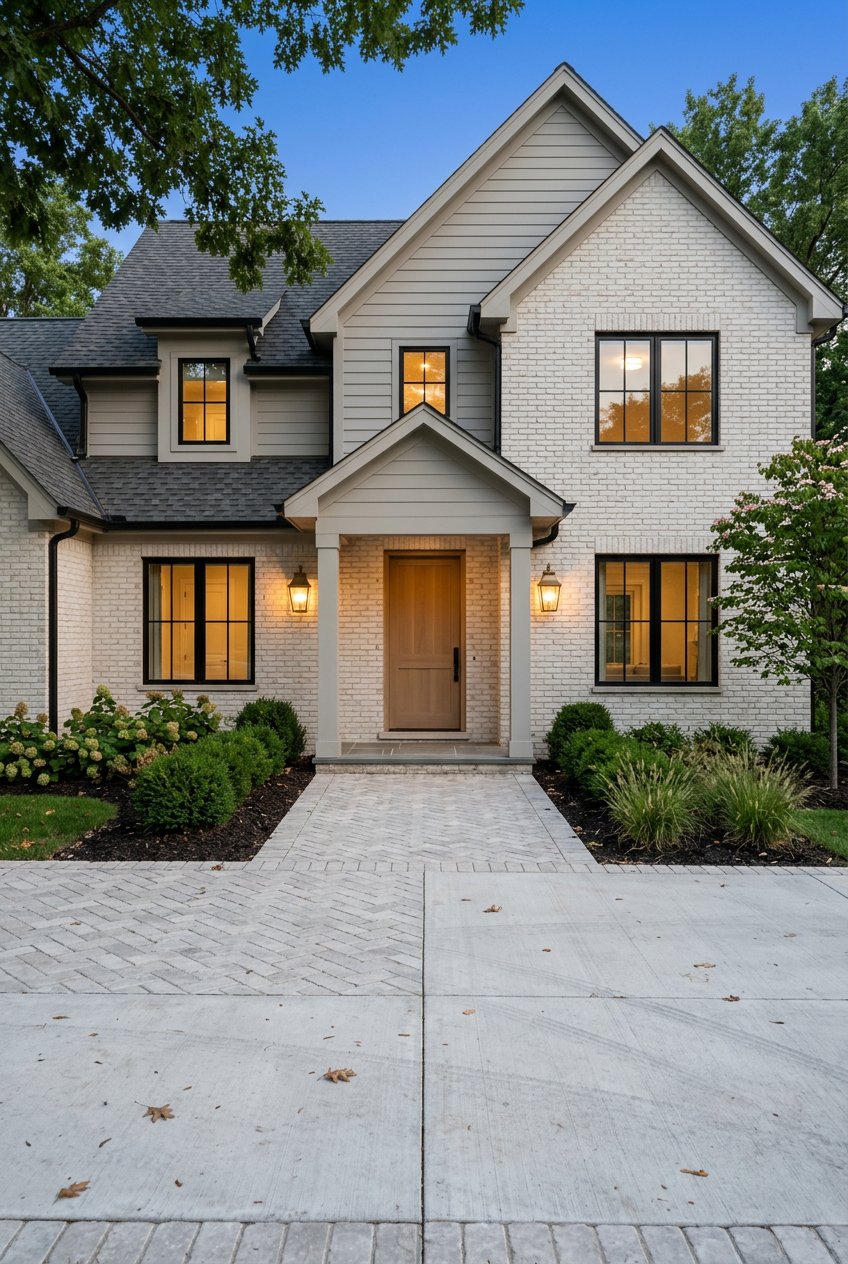
If you prefer more private space and separation from nightlife, an in-town single-family home in Germantown, East Nashville, 12 South, Sylvan Park, or the West End/Midtown edge can deliver that. You will typically get a yard, a garage, and more freedom to personalize exterior spaces. Your daily routine will feel different too, with more time in your car for errands and less time on foot.
Price is often the first filter. Regionally, the Greater Nashville condo median was about $338,500 as of March 2026, according to Greater Nashville REALTORS data summarized by Axios. Downtown tends to skew higher than that regional median due to a concentration of luxury and high-rise buildings. Single-family homes across Davidson County typically trade at a premium to condos, with county medians frequently in the high $400Ks to $500Ks range in recent years, as noted by Greater Nashville REALTORS.
To compare true monthly payments, look beyond purchase price and add:
Amenities and services drive dues. High-amenity towers with pools, concierge, and large common areas can run from the high hundreds into four figures monthly, while mid-rise buildings may be in the low hundreds. Dues often include common area maintenance, the building’s master insurance, and sometimes water or trash. You can see a representative breakdown of what a central high-rise covers in its dues by reviewing a building page like the Gulch’s ICON on Homes.com. Always confirm the exact inclusions for your building.
Condo owners usually carry an HO-6 policy that protects interior finishes, personal property, and liability, while the association’s master policy covers common elements. Single-family homeowners carry an HO-3 policy that covers the full dwelling and exterior. The split matters for your premium and risk. If a condo’s master policy is “all-in” or “bare walls,” that changes what you must insure. Learn more about HO-6 vs HO-3 from this overview of home insurance types.
Davidson County’s 2025 reappraisal reported a countywide median value increase of roughly 45 percent. That change affects assessed values and can shift your annual tax bill. Before you finalize a budget, review the latest notice and use the county estimator tools referenced by the Assessor’s Office to model next year’s taxes for a specific address.
Condos give you a lock-and-leave lifestyle. You trade private outdoor space for in-building amenities and convenience. Downtown buildings near SoBro and Broadway can experience event and nightlife noise, so it is smart to visit at night and on weekends, ask about soundproofing, and review any building rules about short-term rentals or guest policies.
A nearby single-family home delivers yard space, private parking, and more control over your exterior. You will also handle all maintenance yourself, from the roof to landscaping and HVAC. That control can be a pro if you value customization, and a con if you prefer a simpler, lower-maintenance routine.
Condos sell a package. Fitness centers, pools, rooftop terraces, security, and on-site management reduce weekly chores. For many time-pressed professionals and empty nesters, that tradeoff feels worth the dues. Single-family homes give you freedom to add a deck, plant raised beds, or install a swingset, but you will budget time and money for ongoing upkeep. Use the specific building’s amenities list to weigh what you will use most against the monthly cost.
If you work in or near the core, you may drive less in a condo and walk to daily needs. Nashville’s WeGo network also provides bus service and a commuter rail option on the Music City Star corridor. See WeGo’s transit services for routes and schedules. Average one-way commute times in Nashville and Davidson County are about 25 to 26 minutes by national surveys, but your actual time will depend on your worksite and hours.
Parking is a practical divider. Many condos include one assigned garage space, but not all do. Some sell or lease spaces separately and guest parking can be limited during events. Single-family homes usually include a driveway and garage, which simplifies daily life and entertaining. Confirm parking rights, fees, and guest policies before you write an offer.
If you plan to use FHA or VA financing for a condo, confirm the building’s approval status at the start of your search. FHA and VA have project-level requirements for occupancy and financial health that can affect your loan. Buildings not on the approved lists may still be eligible through single-unit or project approvals, but the process takes time. Review guidelines and search approved projects on HUD’s condo page.
Conventional financing is common for both condos and single-family homes. Lender familiarity with a specific building can smooth underwriting, so ask your agent which projects local lenders finance regularly.
If rental income is part of your plan, do two checks. First, read the building’s governing documents to see what is allowed for leases and short-term rentals. Many downtown associations limit or prohibit STRs. Second, confirm Metro’s permit rules and zoning for the specific parcel. Metro Nashville requires a permit, sets operating rules, and does not allow permits to transfer when a property is sold. You can review current requirements on the city’s page for short-term rentals.
Downtown condos often command higher price-per-square-foot due to location and amenities, but resale times vary by building and price band. The Downtown Partnership tracks a sizeable residential pipeline, which can affect absorption and competition over time. Study building-level comps and days on market, not just citywide stats. Single-family homes in established in-town neighborhoods typically offer broader buyer pools and fewer association rules, which can support liquidity in many market cycles.
Choose a downtown condo if you want:
Choose a nearby single-family home if you want:
Remember that countywide data shows single-family homes often carry a higher purchase price than condos, as outlined by Greater Nashville REALTORS. Pair that with your maintenance preferences to find the best fit.
Use this checklist to compare options on the same page:
Choosing between a condo and a single-family home near downtown is more than comparing bedrooms. You want a clear view of true monthly costs, building health, and neighborhood rhythm. With 24 years of Nashville-focused experience, tailored buyer representation, and Compass tools, you can get building-level diligence, realistic cost modeling, and curated access to opportunities, including Private Exclusives not broadly marketed. If you also need to sell to buy, Compass Concierge can help fund strategic pre-listing improvements to maximize your sale.
Ready to find your fit near the skyline? Connect with Jeanie Barrier to map your options, compare the numbers, and tour the right homes or buildings at the right times.
Thinking about buying or selling in Nashville? With Jeanie’s local expertise and 25+ years of real estate sales experience, she’ll guide you every step of the way. Call today to get started!