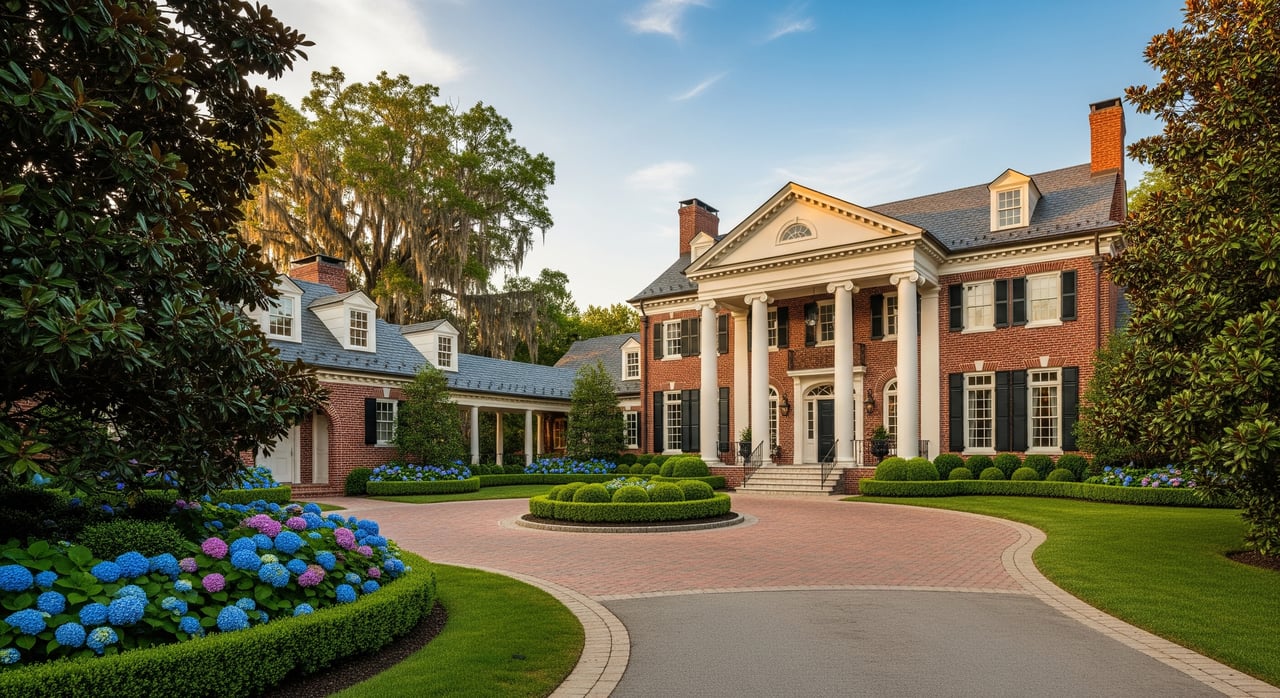
Understanding Luxury Home Appraisals in Belle Meade
What is your Belle Meade home really worth to a lender? When you are dealing with historic estates, custom construction, and oversized lots, the appraisal can feel like a mystery. You want a clear, credible valuation that reflects your home’s true appeal without derailing your deal. In this guide, you will learn how appraisals for Belle Meade luxury homes actually work, what appraisers look for, and how you can prepare to support the best possible outcome. Let’s dive in.
Appraisals used for mortgage lending follow national professional standards known as USPAP along with lender rules for conventional, FHA, or VA financing. In practice, that means a licensed Tennessee appraiser inspects the property and delivers a written report that supports an opinion of market value. Lenders rely on that report to decide how much they are willing to lend.
For high-value or complex properties, lenders commonly require appraisers with experience in luxury homes. They may also order a review of the appraisal. This added scrutiny is normal when the property features are unique or when comparable sales are limited.
Appraisers define a market area for the assignment. In Belle Meade, the buyer pool often overlaps with nearby high-end neighborhoods in Davidson County. Still, the goal is to use sales that reflect the same buyers who would consider a Belle Meade property.
The first step is understanding where the likely buyer would search. For Belle Meade, that may include nearby luxury enclaves when there are too few recent sales inside the city limits. The appraiser looks for properties that would compete for the same buyer based on style, privacy, lot size, quality, and convenience to Nashville amenities.
Lenders prefer closed, arms-length sales. Appraisers usually look back 3 to 12 months depending on market activity. In a luxury segment where sales are infrequent, older sales can be used with time adjustments. Off-market or private transfers are typically not acceptable as comparables for a lender appraisal.
With a small sample, the appraiser relies more on thoughtful adjustments and secondary approaches to value. They may expand the search radius or time window to find sales that match quality and lot characteristics. The appraiser may also use paired sales analysis or local cost data to support adjustments for features that are not easy to match.
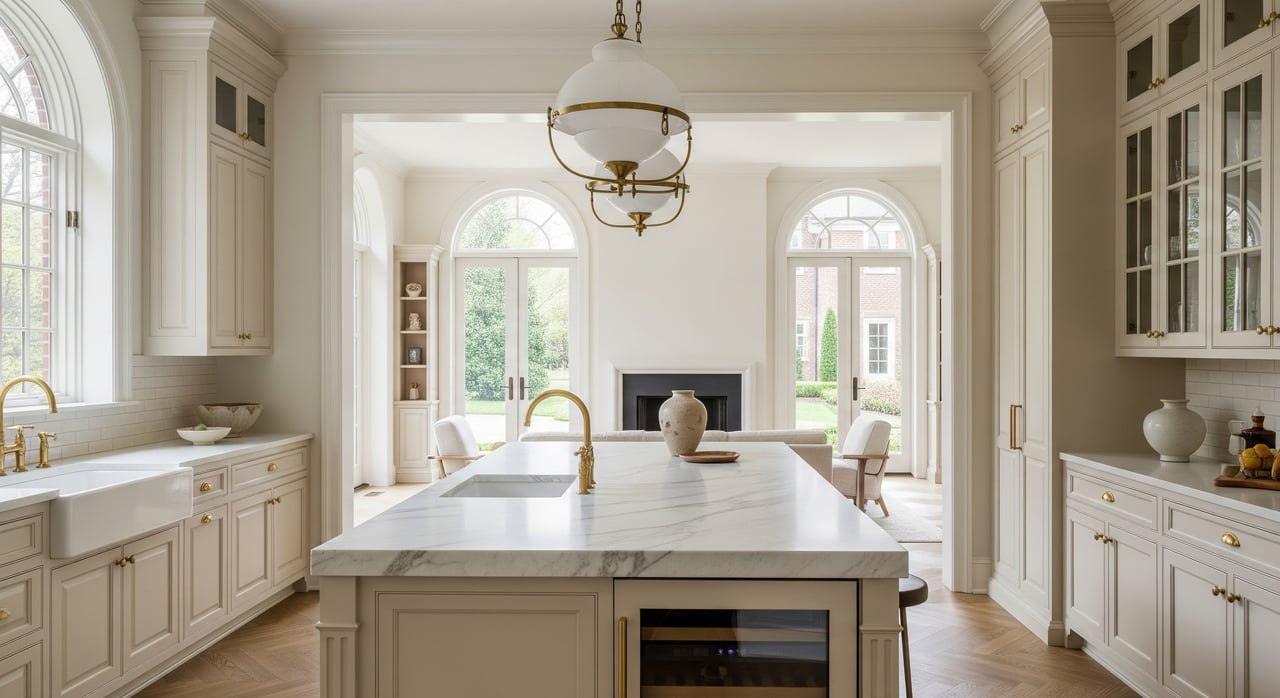
Luxury homes in Belle Meade often have designer kitchens, imported materials, and extensive millwork. Appraisers account for these elements through quality and condition ratings. Effective age matters as much as chronological age, especially for historic homes that have been thoughtfully renovated and function like newer homes.
Line-item adjustments are common for gross living area, bedroom and bath counts, garage or carriage house space, finished basements, pools, guest houses, acreage, and privacy. Ideally, the appraiser supports these adjustments with market evidence from similar local sales. If direct evidence is scarce, they may use market-derived percentages or contributory cost estimates to reflect what a typical buyer would pay for a given feature.
When an element is rare, such as a temperature-controlled wine room, a theater, or high-end smart-home systems, the appraiser looks for repeatable market evidence. If the market does not consistently pay a premium for a feature, it may receive limited contributory value even if it was expensive to install.
Belle Meade’s large lots, mature landscaping, and privacy can carry significant premiums. Appraisers may analyze land value separately when the data is available. They may review vacant land sales or apply a residual technique that considers the value of land apart from the improvements. Zoning, any historic restrictions, and potential subdivision rights can influence the highest and best use of the site, which affects what the market will pay.
Accessory structures such as guest houses, carriage houses, or studios can meaningfully contribute to value. The appraiser determines whether the space is part of the main dwelling’s living area or an outbuilding with separate contributory value. Proper permitting and legal use usually increase the recognized value compared to unpermitted spaces.
This is the primary approach for most owner-occupied luxury homes. The appraiser compares your property to recent closed sales and makes adjustments for differences. Because luxury properties vary widely, the adjustments may be larger and require more professional judgment. The report should explain what data supports those adjustments.
The cost approach estimates what it would cost to replace the improvements today, minus depreciation, then adds land value. This is often useful for newer custom construction or very unique homes. It serves as a check when there are few comparable sales. Cost alone does not equal market value, so the appraiser considers how buyers in the local market view those costs.
If a property generates income, such as a rentable guest cottage or event space, the income approach can help cross-check value. For most single-family luxury homes in Belle Meade, this approach carries limited weight unless income is a clear component of the property’s use.
The appraiser weighs each approach based on data quality and relevance. In Belle Meade, the sales comparison approach typically carries the most weight, with the cost approach used to support the conclusion when sales are sparse. The final value reflects a reconciliation that explains why each approach was weighted as it was.
You can help the appraiser understand your home’s true market position by preparing clear documentation:
A neat, easy-to-scan package helps the appraiser confirm facts and avoid missed value drivers.
A lower-than-expected appraisal is not the end of the road. Consider these paths:
When you submit a reconsideration request, keep the package concise and evidence-based. Focus on closed, arms-length sales and clear documentation of features and permits.
Understanding these dynamics helps you anticipate how an appraiser might frame the assignment and which materials will be most persuasive.
A smart strategy is to prepare for the appraisal from day one of your listing or purchase. With more than two decades focused on Greater Nashville, Jeanie helps you curate the right comps, document improvements, and present your home’s story clearly. For sellers, Concierge-funded pre-listing improvements and coordinated prep can elevate condition and clarity that support a strong valuation. For buyers, Jeanie provides practical guidance on appraisal timing, expectations, and negotiation strategies if the value comes in short.
If you are planning a move in Belle Meade, partner with a local advisor who understands how appraisers look at custom estates, large lots, and renovation quality. Ready to talk through your plans and next steps? Reach out to Jeanie Barrier. Let’s connect.
Thinking about buying or selling in Nashville? With Jeanie’s local expertise and 25+ years of real estate sales experience, she’ll guide you every step of the way. Call today to get started!