Trying to decide between a skyline-view condo and a backyard big enough for weekend soccer? Around Nashville, you can have either inside Davidson County. Your choice comes down to tradeoffs: commute, home type, green space, and the daily rhythm you want. In this guide, you’ll get a clear, local look at how urban and suburban living compare so you can focus your search with confidence. Let’s dive in.
What “urban vs suburban” means in Davidson County
Nashville and Davidson County operate under a single consolidated government known as Metro Nashville. That setup creates an urban services district near the old city boundary and a broader general services district across the rest of the county. It can influence services, planning, and how density is managed. If you hear terms like “inside the urban services district,” that is the context. You can read more about Metro’s structure on the Metro Council page.
There are also a few independent municipalities within county limits, such as Belle Meade, Berry Hill, Forest Hills, Oak Hill, and parts of Goodlettsville. These towns maintain certain local functions while still sitting inside Davidson County, which can affect property rules and taxes. For an overview of cities within counties, see the University of Tennessee CTAS directory.
Commute and transportation
At the county level, the average commute is about 24.7 minutes, according to U.S. Census QuickFacts. Your actual time depends on where you live and when you travel. In practice, you’ll see more car commuting in suburban pockets and more options to walk, bike, or ride transit in the urban core.
- Highways: Nashville sits at the crossroads of I‑40, I‑65, and I‑24, and many suburban commutes use these interstates or major pikes like Murfreesboro Pike and Charlotte Pike. Expect rush-hour congestion to shape your experience. You can skim an overview of the road network in the Nashville entry on Wikipedia.
- Transit: WeGo Public Transit operates the county bus network and the WeGo Star commuter rail line. Transit access is strongest in downtown and along major corridors; some suburbs remain car‑dependent. Explore system planning and corridors on the WeGo Public Transit site.
- Walkability: The county overall is car‑oriented, but downtown neighborhoods score higher for daily errands on foot. For example, Downtown’s Walk Score reflects strong pedestrian access. Check a neighborhood’s profile on Walk Score’s Downtown page to compare.
Practical tip: Run drive‑time checks during your usual commute hours. A midday 20‑minute trip can stretch to 40 minutes at peak.
Housing types you will see
A countywide owner‑occupied housing median value of about $417,400 gives you a baseline for comparison, based on Census QuickFacts. Within that, housing types vary widely by neighborhood.
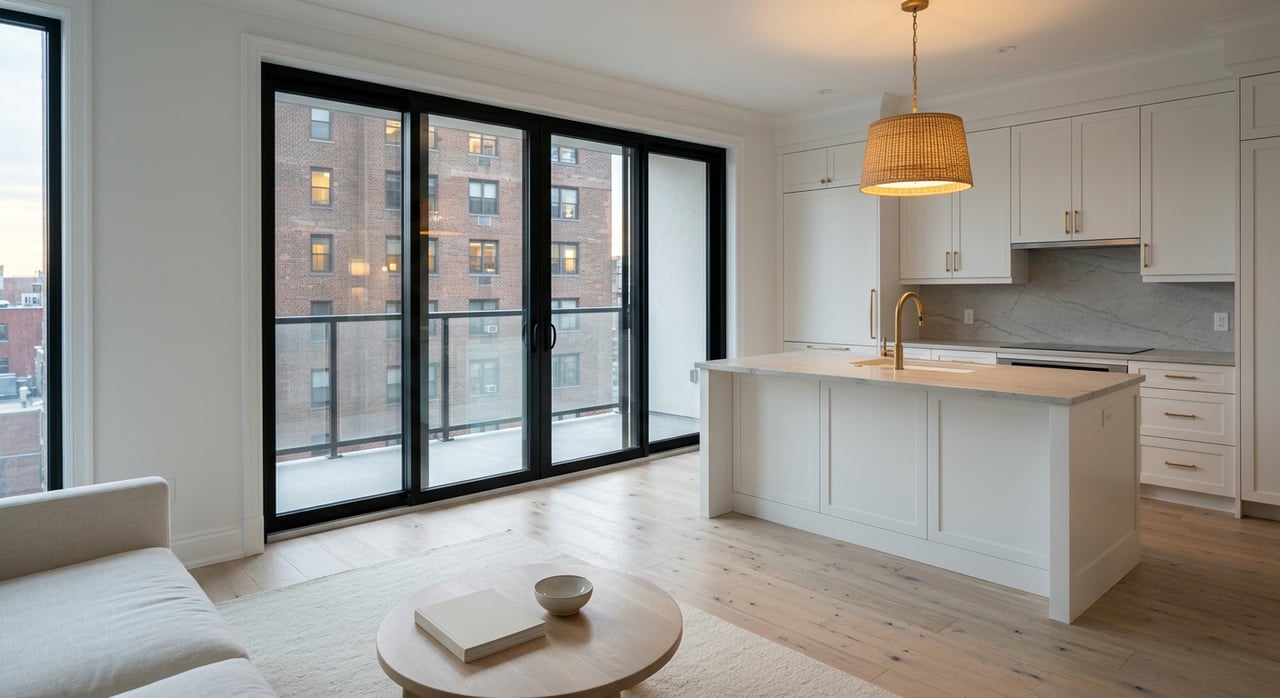
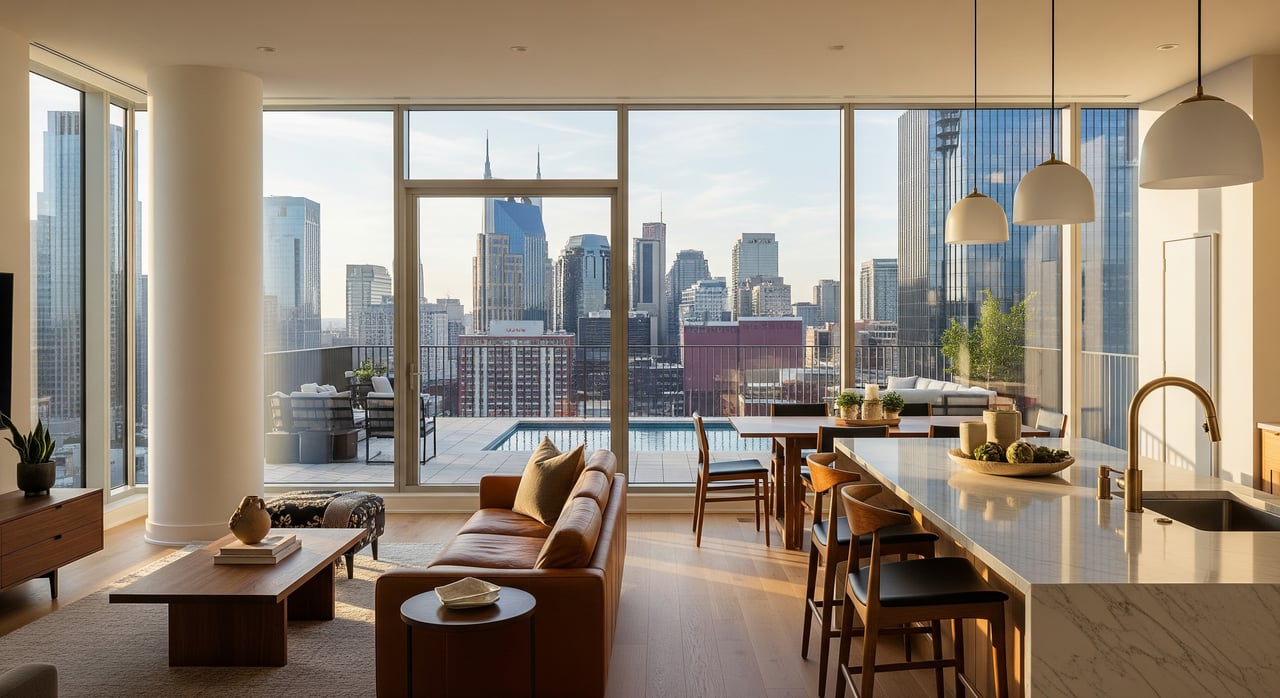
- Urban core: Downtown, The Gulch, SoBro, Midtown, and parts of Germantown and 12South lean toward condos, lofts, and townhomes, plus newer mid and high‑rise buildings. Lots are smaller, and you’ll find the highest concentration of dining and entertainment.
- Inner ring or urban‑adjacent: Areas like 12South, Belmont/Hillsboro, Green Hills, and parts of East Nashville mix historic bungalows with modern infill and townhomes. You often get a walkable strip of restaurants and shops, with single‑family homes on modest lots nearby.
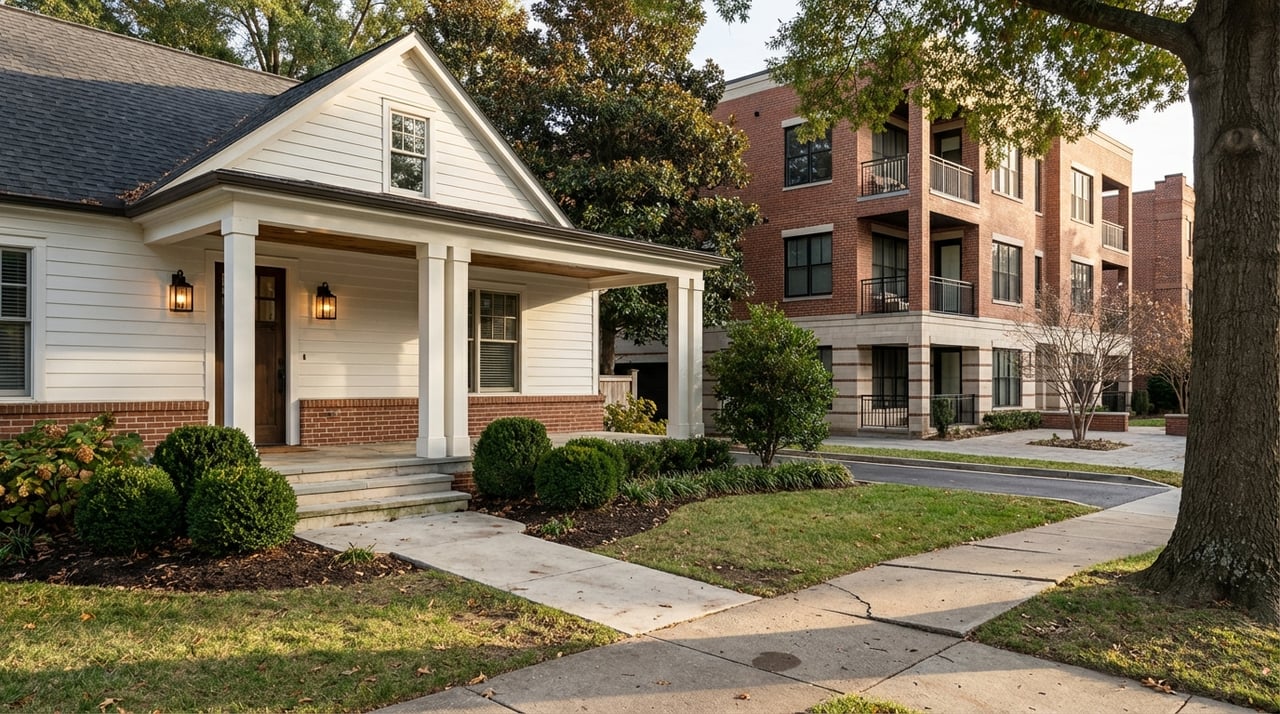
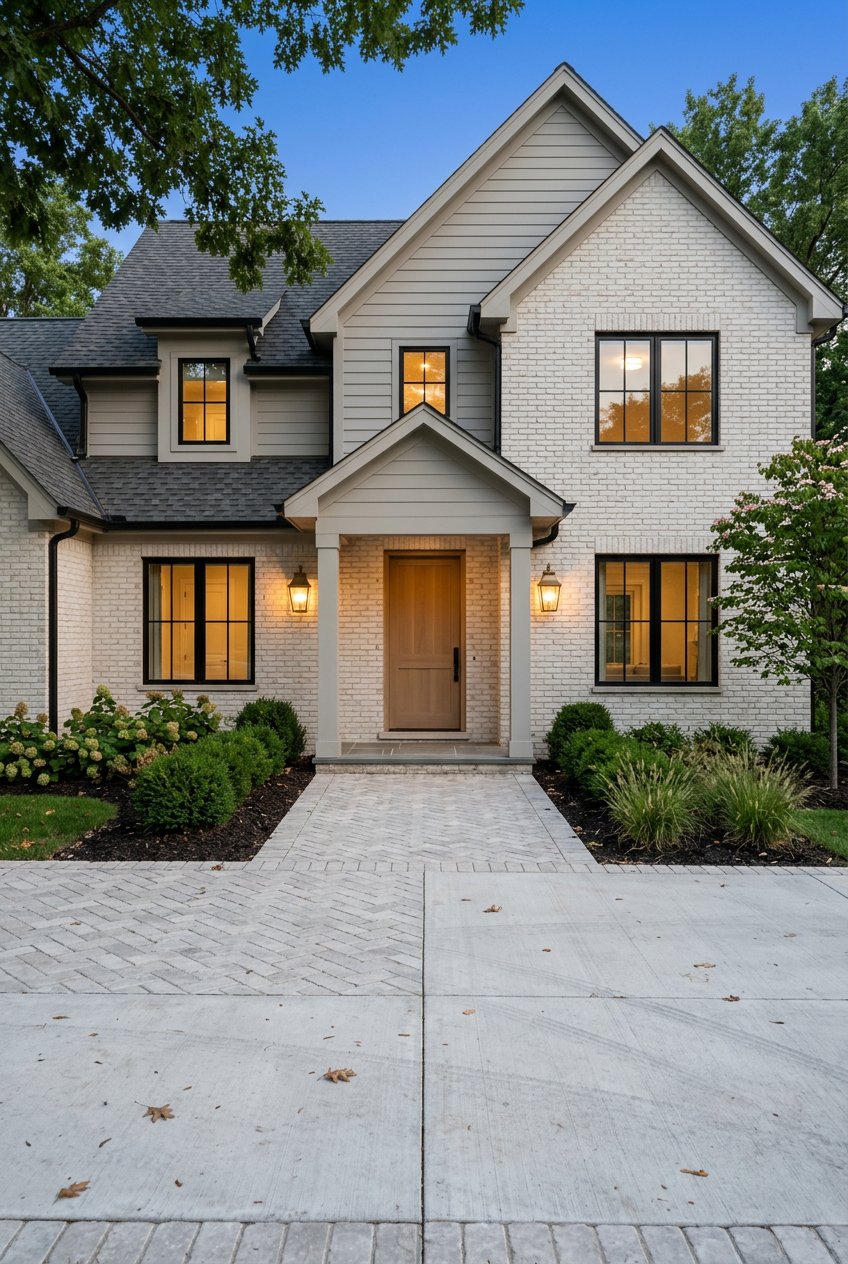
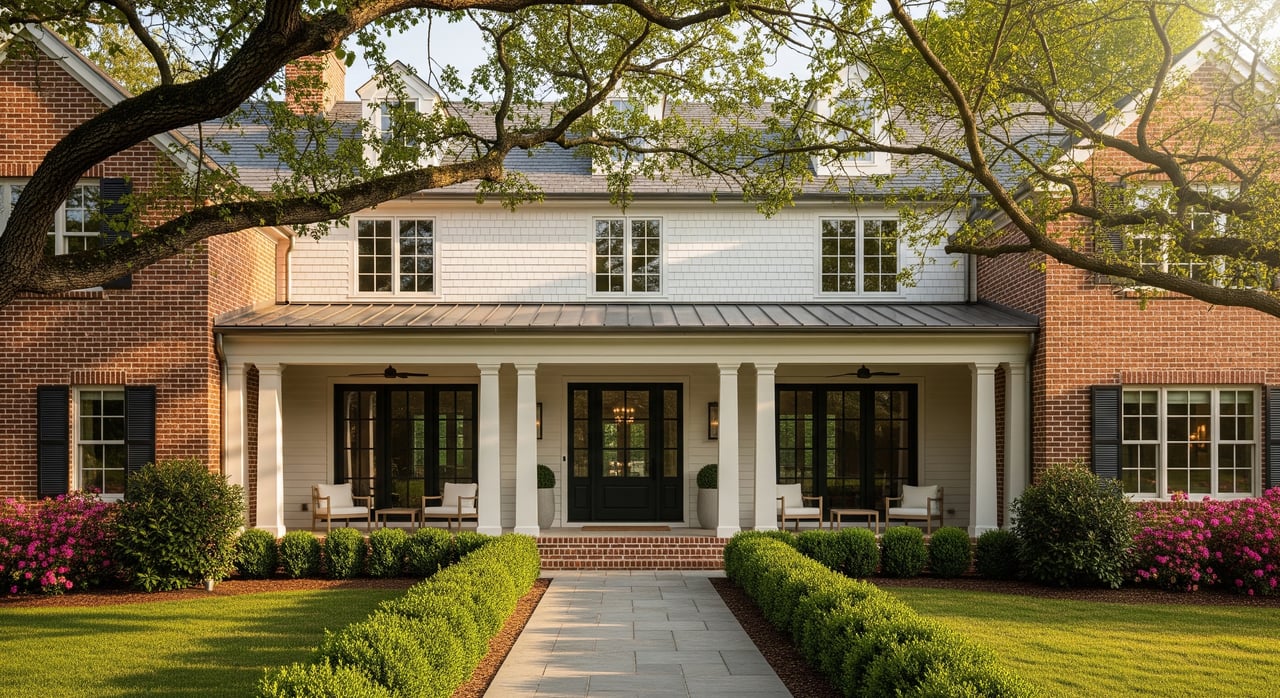
- Suburban pockets inside the county: Neighborhoods such as Bellevue, Donelson, Hermitage, Antioch, Old Hickory, and incorporated towns like Forest Hills, Oak Hill, and Belle Meade offer more detached single‑family homes, larger lots, and lower overall walkability. Commercial clusters and big‑box retail are more common, and car commuting is the norm.
If you are relocating from another metro, it helps to anchor your search by housing form. Ask yourself whether you prefer attached urban living close to amenities or a detached home with more yard and privacy.
Green space and outdoor life
Nashville’s park system adds a big quality‑of‑life layer, especially when you compare dense neighborhoods with pocket parks to suburban areas near large natural assets. Metro’s long‑range planning under the countywide Plan To Play framework continues to invest in parks and greenways. You can review the countywide vision on the Plan To Play page.
- Large regional assets: The Warner Parks and Radnor Lake State Natural Area sit within easy reach of many west and south‑side neighborhoods. These areas offer miles of trails and nature‑forward outings.
- Greenways and riverfront: Shelby Bottoms and Cumberland River greenways create biking and running connections near East Nashville and downtown.
- Pocket parks and plazas: In the urban core, you trade large private yards for public green spaces, plazas, and riverfront promenades.
If weekend hiking or trail running is a priority, living near Bellevue or in the southwestern part of the county can shorten your drive to major parkland. If you want an after‑work stroll to restaurants plus a quick jog on a greenway, the urban core and East Nashville make that easy.
Everyday amenities you will use
- Schools: Metro Nashville Public Schools serves most of Davidson County, and assignment depends on your address. Because school options and programs can change, review boundaries and current profiles directly with MNPS. Private and charter choices exist across the county.
- Shopping: Urban neighborhoods rely on smaller markets and specialty grocers. Suburban nodes add malls and power centers, such as The Mall at Green Hills and the Opry Mills area near Donelson/Hermitage.
- Healthcare: Major health systems, including Vanderbilt University Medical Center and Ascension Saint Thomas, maintain hospitals and clinics across the county, which means broad access to care. Learn more about the health sector’s footprint in this Vanderbilt Medicine feature.
- Culture and nightlife: Downtown and The Gulch are the heart of entertainment. East Nashville and Germantown offer strong restaurant and arts scenes, while suburban areas emphasize parks, family dining, and shopping. You can see how downtown connections continue to evolve in this Urban Land Institute look at Fifth + Broad.
Neighborhood snapshots to narrow your list
Use these vignettes to match lifestyle with location. Each area sits inside Davidson County, so you retain access to the same regional job centers and cultural anchors.
Urban core: walkability and energy
- Downtown, SoBro, The Gulch: High‑rise condos and apartments, best walkability, short trips to offices and entertainment. Expect limited private outdoor space and strong event calendars nearby.
- Germantown and Salemtown: Historic homes and rowhouses mixed with new multifamily, quieter than Broadway but close to downtown dining and breweries.
Urban‑adjacent: hybrid living
- 12South and Belmont/Hillsboro: Boutique retail and cafes, Sevier Park, historic bungalows plus modern infill. Many streets remain residential and calm a block or two from the main strip.
- East Nashville and Five Points: Creative, food‑forward identity with vintage housing stock. Often a bit more space than the urban core with walkable clusters in the center.
- Green Hills and Hillsboro West End: Single‑family focus with established shopping and easy access to Midtown. A practical compromise if you want both yard space and quick access to in‑town jobs.
Suburban inside the county: space and privacy
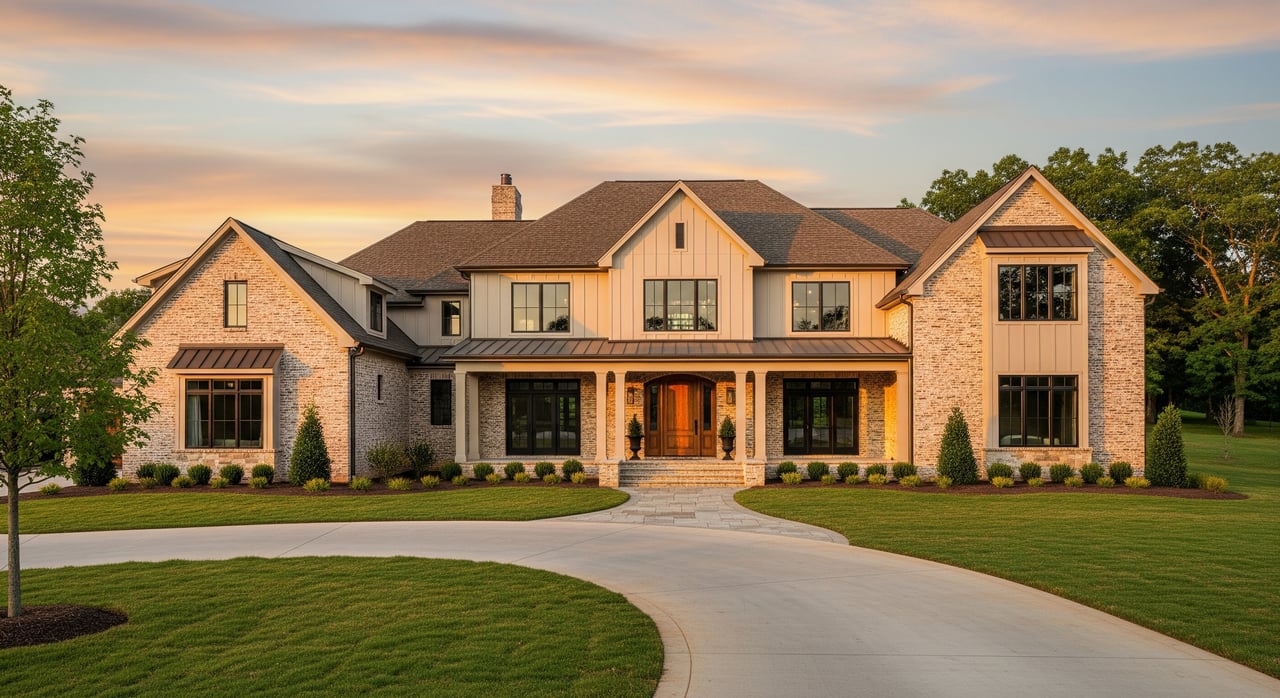
- Bellevue: Larger lots, family‑oriented retail, and easy reach to Warner Parks. A go‑to for buyers prioritizing yard size and trail access while staying in Davidson County.
- Donelson and Opryland area: Close to Nashville International Airport and the Opry retail cluster. Useful for frequent travelers or those employed nearby.
- Antioch, Cane Ridge, and Joelton: Newer subdivisions and more land available in select areas. Often a more affordable entry point within county limits compared with many in‑town neighborhoods.
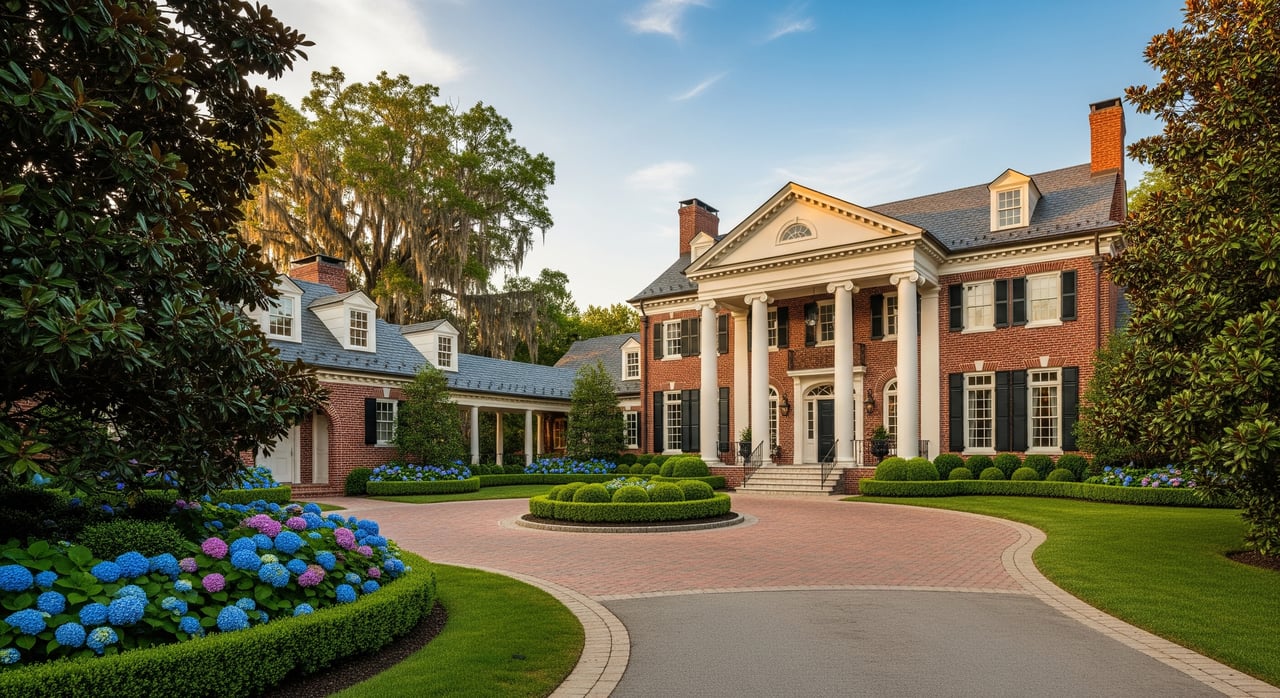
- Belle Meade, Forest Hills, Oak Hill: Low‑density settings with larger lots and limited transit. These are independent municipalities within the county, which can influence local rules and services.
Commute examples to set expectations
- 12South to downtown: Often 15 to 25 minutes at typical times, depending on your exact address and traffic lights. Peak rush can push that higher.
- Bellevue to central downtown: Commonly 25 to 45 minutes, depending on I‑40 flow and time of day.
- Donelson to downtown: Often 15 to 30 minutes, with airport activity and interstate traffic as variables.
Use these as ballpark ranges, then test your exact route during your commute window.
A simple checklist to choose your fit
Use this step‑by‑step approach to narrow to two or three target neighborhoods:
- Define your must‑haves: yard size, number of bedrooms, parking, or a walkable main street.
- Test commutes at peak times for two or three likely routes. County averages are about 24 to 25 minutes, but your door‑to‑door time will vary. See Census QuickFacts for the baseline.
- Check local walkability and greenway access. Start with Walk Score’s Downtown page to see what a high‑walkability profile looks like.
- Review parks and greenways near each neighborhood. The Plan To Play framework shows the countywide vision for trails and open space.
- Confirm school boundaries and current program options with MNPS if that is part of your decision.
- If you need specific property rules or tax info in incorporated towns, consult the CTAS directory and Metro sites for updates.
Final thoughts
In Davidson County, you do not have to choose between country and city. You can live minutes from downtown in a walkable neighborhood with restaurants at your doorstep, or you can settle into a leafy street with a big yard and a trailhead nearby. The right answer is the one that fits your commute, space needs, and lifestyle priorities.
If you want tailored guidance, curated listings, or discreet pre‑market options, reach out to Jeanie Barrier. With 24+ years of local experience and Compass programs such as Concierge and Private Exclusives, you get a clear plan, expert negotiation, and a search that respects your time and goals. Let’s connect.
FAQs
What is Metro Nashville and how does it impact where I live?
- Nashville and Davidson County share a consolidated government that uses an urban services district and a general services district, which can influence services and planning. See the Metro Council page for context.
How long are typical commutes in Davidson County?
- The county average is about 24.7 minutes according to U.S. Census QuickFacts, but your time varies by neighborhood, route, and rush hour.
How strong is public transit in Nashville?
- WeGo buses and the WeGo Star commuter rail serve major corridors and the downtown hub, while many suburban areas remain car‑dependent. See WeGo’s planning page for details.
How walkable are Nashville neighborhoods?
- The county overall is car‑oriented, but the urban core scores higher for errands on foot. Check neighborhood profiles like Walk Score’s Downtown page for a benchmark.
What should I know about schools and boundaries in Davidson County?
- Most addresses fall under Metro Nashville Public Schools, and assignment is address‑specific. Always verify boundaries and programs directly with MNPS.
Which suburbs inside Davidson County offer larger lots and more privacy?
- Areas such as Bellevue, Old Hickory, and incorporated towns like Forest Hills, Oak Hill, and Belle Meade typically feature more detached homes on larger lots compared with the urban core. For incorporated areas, reference the CTAS directory.